You know who’s in a bad mood before they’ve taken their coat off. You can feel the temperature of a room change from the hallway. Friends tell you things they’ve never told anyone, and colleagues find their way to your desk when something’s wrong, because somehow you always know what to say.
You’ve become known as an empath – highly sensitive, intuitive, able to read what’s *actually* going on before anyone else has picked up on it. You’re probably quite proud of this, and why wouldn’t you be? It’s one of the best things about you.
But before you answer the question “am I an empath” with a yes, I want to ask you a different question… sit with it for a bit before you answer.
When did you learn to do this?
Where the skill really started
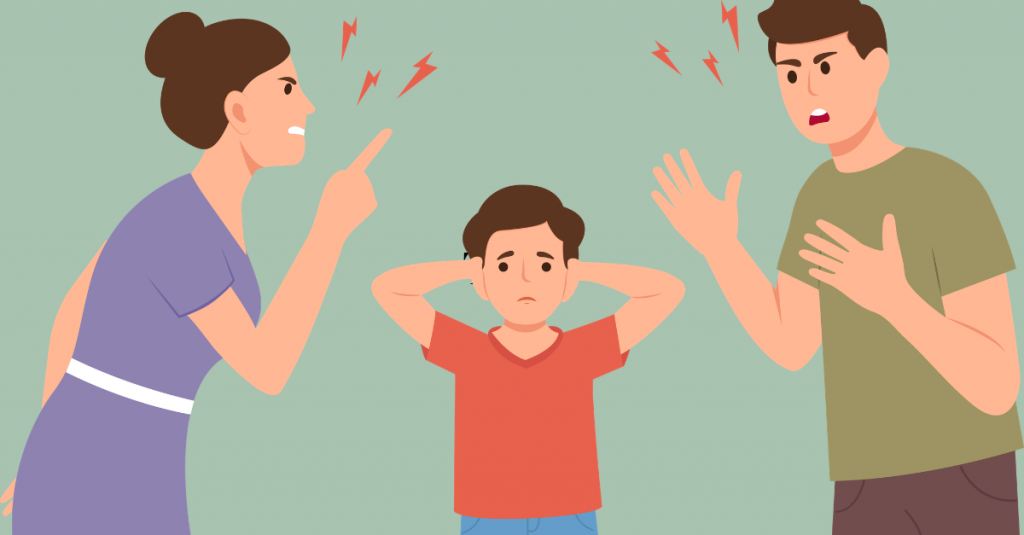
A skill this sharp is learned and refined over time. Most of the women I work with can trace it back further than they expect, perhaps to a parent whose mood dictated the atmosphere of the whole house, or a home where you took a moment to observe the faces around you before you spoke. Perhaps being tuned into others wasn’t a personality trait you were born with… maybe it was how you kept things calm. Maybe it was how you kept yourself safe.
Children are fantastic at adapting. If the adults around you were unpredictable, or fragile, or angry, or simply not paying attention, you learned to pay attention for them. You became the sensitive, intuitive one, and it worked really well, so you kept doing it.
Fast forward thirty years and you’re the one everyone calls perceptive. The one who ‘just knows’. The one managing the mood of every room she walks into. At work, at home, at her mum’s kitchen table.
The downside of reading every room
The empath label neglects to point out the fact that reading everyone, all the time, is exhausting.
If your attention is permanently pointed outwards, there is very little left pointing at you. You know exactly what your boss is feeling and you couldn’t say what you’re feeling. You can predict your partner’s reaction to a sentence before you’ve said it, and you’ve stopped saying quite a lot of sentences.
Maybe you’re not sensitive. Maybe you’re vigilant. And (unfortunately) vigilance doesn’t switch off just because you’re safe now. Your body doesn’t know the difference between a tense meeting and the kitchen you grew up in – it just knows it has to be on alert.
This isn’t about giving the skill back
I’m not going to tell you your perceptiveness isn’t real, or that it isn’t valuable. It’s both. Some of the most capable, emotionally intelligent women I’ve met built that intelligence in families or homes where they needed it – but there’s a difference between a skill you use and a setting you’re stuck on.
So perhaps the question worth asking isn’t really “am I an empath or not”. It’s can you choose when to read a room, or does it happen to you whether you want it to or not? Can you be in your own home, with people you love, and not be monitoring anyone?
If the answer is no, then what you’re calling empathy might be an old job you never got to resign from.
What happens when we dial the skill down…
In therapy, this is often where the real work starts. Not getting rid of your sensitivity, but turning off the automatic setting. Learning what it feels like to be in a room without working the room, or worrying about it. Turning some of that finely tuned attention towards the one person it has never been pointed at (yes, I mean you).
I know it feels strange at first, but eventually, it feels like rest.
If you’ve read this far and something in you has gone still, I see you. I work with women in person in Ramsbottom and online across the UK. You can book a free intro call here, or get to know me a little better here.