Feeling loved is not the same as being loved – and for a lot of women, that distinction changes everything.
“I know I was loved. My childhood was fine. Nothing bad happened. So I don’t understand why I feel the way I do.”
It’s one of the most common things I hear from women who come to therapy – and one of the most painful. Not just the confusion of not understanding your own feelings, but the guilt that comes with it. The sense that struggling, when you had a decent childhood, is somehow ungrateful. Or dramatic. Or unfair on the people who raised you.
You’re not any of those things. And there’s a very good chance that what you’re carrying makes complete sense – even if nobody has ever given you a way to understand it.
“My childhood was fine” – and that can still be true
Nothing in this post is going to tell you that your childhood wasn’t fine, or that you’re wrong about your own history, or that you need to go looking for something to blame.
If you were loved, you were loved. That’s real, and it’s important.
But there’s something that often goes unrecognised in conversations about childhood and wellbeing – something that has nothing to do with whether love was present, and everything to do with how it was experienced. Often, people don’t know it exists, so they don’t know to look for it.
It’s the difference between being loved and feeling loved.
What feeling loved actually requires
Being cared for and feeling loved are not the same thing – and this isn’t a criticism of anyone who raised you.
Being cared for is practical. It’s provision, safety, presence. It’s a parent who kept things running, who made sure you had what you needed, who was there. That’s love, and it’s real.
Feeling loved requires something slightly different – something called emotional attunement. It’s the experience of someone noticing not just what you need practically, but what you’re experiencing on the inside. A parent who picks up that something’s wrong without being told. Who can sit with your feelings without rushing to fix them or minimise them. Who makes you feel that your inner world – your fears, your sadness, your needs – is welcome, not inconvenient.
Emotional attunement isn’t something most parents were taught. It isn’t something that gets talked about. And its absence doesn’t mean love wasn’t there – it just means that one particular thing, that specific kind of being met, may have been harder to find.
That’s not an accusation. It’s just an observation, and it matters.
What happens when that piece is missing
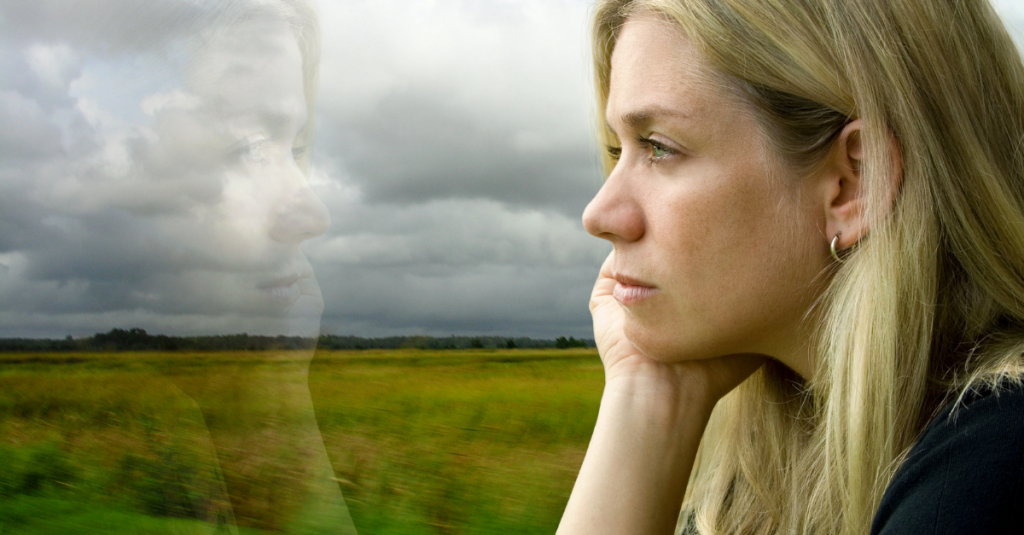
When a child grows up without consistent emotional attunement – when their inner world is regularly dismissed, minimised, or simply not noticed – they don’t think: something is missing here.
They think: something is wrong with me.
That conclusion isn’t a mistake. It’s what children do – they make meaning from their experience, and they make it about themselves, because that’s developmentally normal. A child doesn’t have the capacity to understand that a parent might be limited, or overwhelmed, or simply not equipped for emotional connection. So they reach for the explanation that feels available.
I’m too much. I’m not enough. My feelings are inconvenient. I have to manage myself so I don’t cause problems.
That story – quiet, unspoken, rarely even conscious – is where a lot of self-worth struggles begin. Not in dramatic events. Not in obvious harm. Just in the repeated experience of an inner world that didn’t quite get met.
The guilt of “blaming” your parents
This is the part that stops a lot of women from exploring any of this – the worry that looking at your childhood, or acknowledging that something was hard, is the same as blaming the people who raised you.
It isn’t.
Understanding where a pattern comes from is not the same as deciding someone was a bad parent. Your parents can have loved you genuinely, tried their best, and given you a great deal – and it can also be true that they didn’t always have the tools for emotional attunement. Those two things don’t cancel each other out.
Most of the women I work with aren’t angry at their parents. They’re confused about themselves. Understanding the connection between early experience and present-day patterns isn’t about building a case against anyone – it’s about finally having an explanation that fits.
You are not betraying anyone by trying to understand yourself.
What if you don’t want to look back at all?
Some women reading this won’t want to go near their childhood, and that’s completely understandable. It can feel disloyal. It can feel like opening something that’s better left closed. It can feel unnecessary when life is functioning, more or less, even if something quietly doesn’t feel right.
The good news is that therapy doesn’t always require going back. Understanding where patterns come from can be useful – but it isn’t the only way in. A lot of the work happens in the present – in the body, in current relationships, in beginning to notice the patterns as they’re happening and building something different from there.
If the idea of looking at your past feels like too much, that’s worth saying. It doesn’t mean therapy isn’t for you.
So why do you feel like this?
If you had a childhood that looked fine from the outside – if you were loved, if nothing dramatic happened, if there’s no obvious reason – and you still find yourself struggling with self-worth, people-pleasing, or a persistent sense that you’re somehow not quite enough, it’s very likely that this is part of the picture.
Not because your childhood was bad. But because something specific – that experience of being emotionally met, of your inner world mattering – may have been harder to find than it looked.
That’s not your fault. It was never something you could have controlled. And it’s something that can shift, with the right support and enough time.
You don’t have to keep not understanding why you feel the way you do.
Working with a therapist who gets this
If you recognised yourself somewhere in this post – even if you’re not sure it applies to you, even if part of you is still thinking but my childhood really was fine – it might be worth having a conversation.
I work with women around Ramsbottom, Bury, Manchester, and Rossendale, and online across the UK. My approach is relationship-focused, trauma-informed, and nervous-system-aware. I work with women who are struggling to understand themselves, not just manage their symptoms – and I don’t need your history to have been dramatic for the work to be relevant.
Intro calls are open – you can book directly here – or send me an email.
If you enjoyed this… you might like this too: Why do I always put everyone else first?